Forest Journal Ideas for Observing More Closely
Forest journal inspiration with practical, visual ideas you can adapt. Explore botanical journal and nature journaling in this focused guide, then save the direction you want to try next.
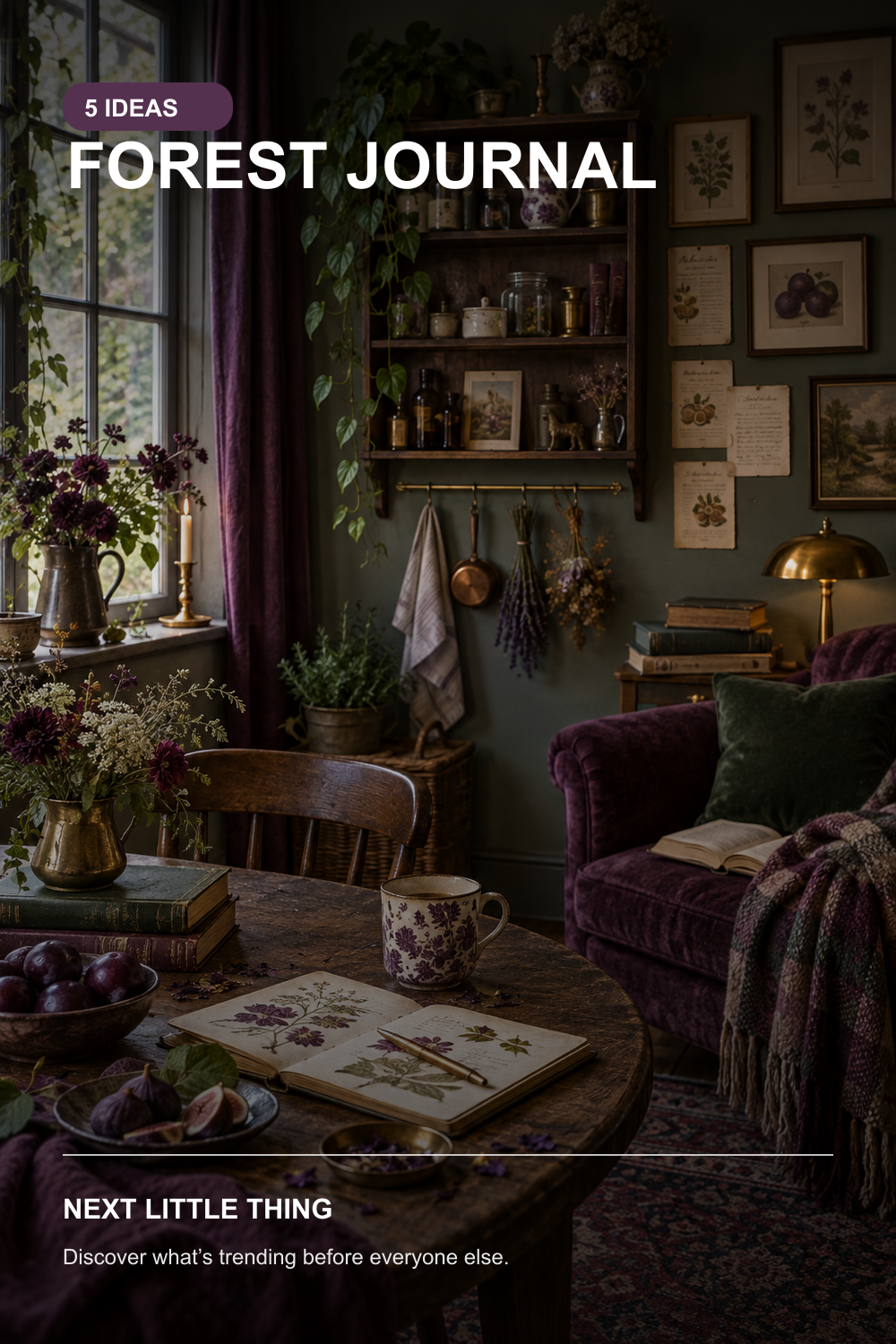
Trend signal: Pinterest Hobbies 2026: +91% global YoY.
5 directions to explore
- Tree-bark texture notes
A useful way to approach “Tree-bark texture notes” is to simplify it until the subject remains obvious in a phone-sized image. Start with the room's existing light, traffic path and storage needs; decoration works best when it does not obstruct daily use. Keep a note of the palette, proportions and materials so the result can be repeated or adapted without guessing.
- One-species study
For “One-species study,” decide what should be noticed first and let the rest of the forest journal composition support it. Use a temporary arrangement first and view it from the doorway as well as close up before hanging, drilling or committing to paint. Keep the finish honest to the materials; visible texture is useful when it supports the idea rather than hiding poor joins.
- Weather and light log
For “Weather and light log,” decide what should be noticed first and let the rest of the forest journal composition support it. Repeat the accent in two or three small places and keep larger surfaces calmer so the room retains visual breathing space. Compare a restrained version with a bolder one, then keep the option that explains nature journaling most clearly at a glance.
- Found-color palette
The strongest version of “Found-color palette” starts with a clear purpose: where it will be used, viewed or remembered. Start with the room's existing light, traffic path and storage needs; decoration works best when it does not obstruct daily use. A quick photo test will reveal whether the contrast, spacing and focal point still communicate botanical journal on mobile.
- Quiet sound map
A useful way to approach “Quiet sound map” is to simplify it until the subject remains obvious in a phone-sized image. Prefer reversible seasonal changes when possible, especially for fragile keepsakes, rented spaces and frequently used surfaces. Compare a restrained version with a bolder one, then keep the option that explains nature journaling most clearly at a glance.
How to use this edit
These five directions are an editorial starting point for forest journal, not a requirement to use every idea at once. Pick the option that best matches your setting, materials and skill level, then make one controlled change at a time so you can see what genuinely improves the result.
Adapt materials and methods to your tools and skill level. Test finishes and adhesives on a small area first.