Reading Nook Ideas for Small, Awkward Corners
Reading nook ideas inspiration with practical, visual ideas you can adapt. Explore cozy home ideas and book corner in this focused guide, then save the direction you want to try next.
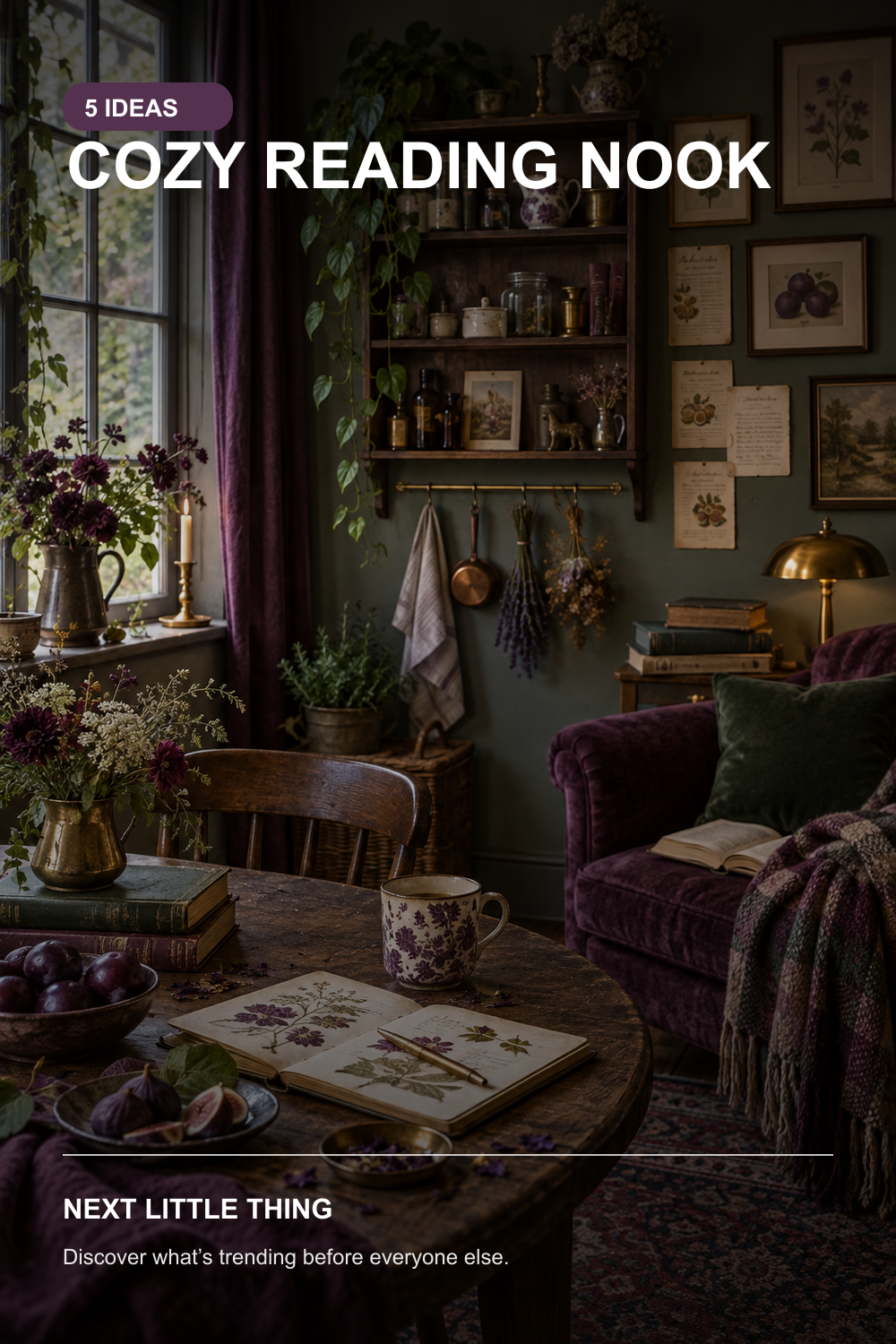
Trend signal: Evergreen seed; no official volume claimed.
5 directions to explore
- Use a wall-mounted light
For “Use a wall-mounted light,” decide what should be noticed first and let the rest of the reading nook ideas composition support it. Group objects by one shared quality—color, material, era or meaning—then vary height and spacing to avoid a showroom effect. Keep a note of the palette, proportions and materials so the result can be repeated or adapted without guessing.
- Add back support first
Treat “Add back support first” as the main idea, not a small afterthought in a reading nook ideas project. Group objects by one shared quality—color, material, era or meaning—then vary height and spacing to avoid a showroom effect. Compare a restrained version with a bolder one, then keep the option that explains book corner most clearly at a glance.
- Keep a narrow book ledge
A useful way to approach “Keep a narrow book ledge” is to simplify it until the subject remains obvious in a phone-sized image. Use a temporary arrangement first and view it from the doorway as well as close up before hanging, drilling or committing to paint. If two elements compete, reduce the weaker one rather than adding another accent to force attention back to the subject.
- Layer one washable textile
Let “Layer one washable textile” carry one precise mood drawn from cozy home ideas, then avoid mixing in a competing theme. Prefer reversible seasonal changes when possible, especially for fragile keepsakes, rented spaces and frequently used surfaces. Save the variation only if it offers a genuinely different decision about color, layout, texture or use.
- Protect the walking path
With “Protect the walking path,” the edit matters: keep the feature that explains the idea and remove details that weaken it. Use a temporary arrangement first and view it from the doorway as well as close up before hanging, drilling or committing to paint. The final version should look complete without depending on a filter, watermark or a caption to explain what it is.
How to use this edit
These five directions are an editorial starting point for reading nook ideas, not a requirement to use every idea at once. Pick the option that best matches your setting, materials and skill level, then make one controlled change at a time so you can see what genuinely improves the result.
Adapt materials and methods to your tools and skill level. Test finishes and adhesives on a small area first.