Simmer Pot Recipes for a Cozy Fall House
Simmer pot recipes inspiration with practical, visual ideas you can adapt. Explore fall home fragrance and stovetop potpourri in this focused guide, then save the direction you want to try next.
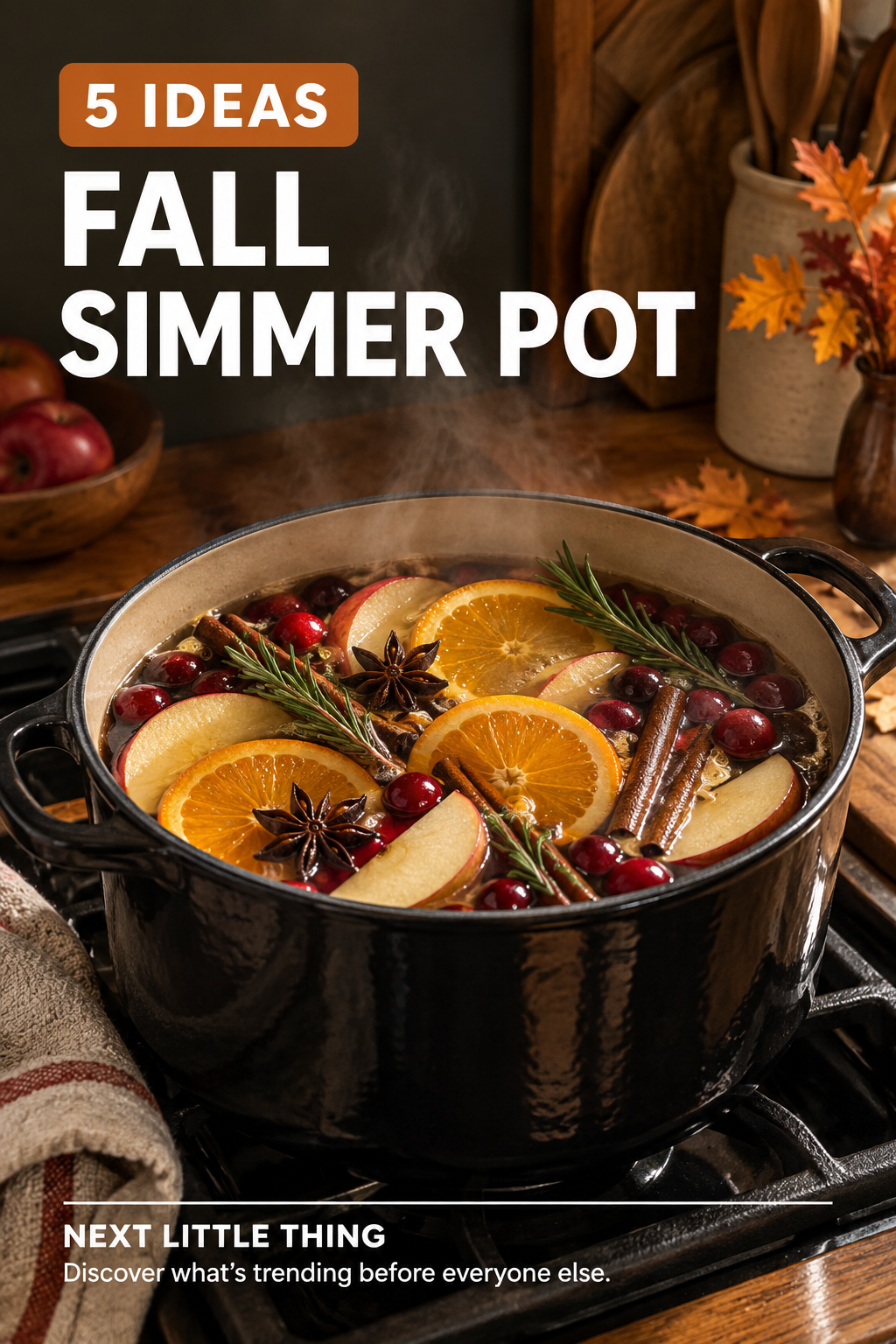
Trend signal: Pinterest Trends US, 20 Sep 2026: +50% MoM.
5 directions to explore
- Apple peel and cinnamon
Apple peels and thin slices release fragrance quickly, while cinnamon adds a warm dry note. Start with enough water for the ingredients to float freely, keep the pot at the lowest gentle simmer and top it up before the liquid drops. Never leave a stovetop simmer pot unattended, and discard the mixture when the scent turns dull or the fruit breaks down.
- Orange and clove
Orange rounds and whole cloves create a bright, familiar fall scent; pressing only a few cloves into the peel keeps the spice from dominating. A strip of peel adds aroma without as much pulp if you want a cleaner-looking pot. Keep the burner low, add water regularly and do not treat the mixture as a drink unless you have followed a tested food recipe.
- Pear and rosemary
Pear gives a softer fruit note that pairs well with one short rosemary sprig. Use firm trimmings or slices and bruise the rosemary lightly rather than chopping it, which can make the water cloudy and resinous. Monitor the water level continuously, keep pets and children away from the hot pot and ventilate if anyone is sensitive to fragrance.
- Cranberry and vanilla
Cranberries add color, while a small amount of vanilla provides sweetness without needing many spices. Split a used vanilla pod or add a modest splash of extract only after the water is warm, since concentrated aroma can become overwhelming. Maintain a very low simmer, replenish water before it evaporates and turn the burner off whenever you leave the room.
- Lemon and bay leaf
Lemon peel and bay leaf make a fresher alternative to the sweeter apple-and-spice combinations. Two strips of peel and one or two culinary bay leaves are enough for a small pot; extra leaves can create a medicinal edge. As with every simmer pot, use a heat-safe pan, watch it continuously, add water often and never allow it to boil dry.
How to use this edit
These five directions are an editorial starting point for simmer pot recipes, not a requirement to use every idea at once. Pick the option that best matches your setting, materials and skill level, then make one controlled change at a time so you can see what genuinely improves the result.
Adapt materials and methods to your tools and skill level. Test finishes and adhesives on a small area first.